Industry
Logistics for Retail and Distribution in the UAE
Retail logistics runs on dates that cannot move. Stock that lands after a promotion has started has lost most of its value, and a delivery rejected at a distribution centre costs a booking slot as well as a day.
Quick answer
What does retail logistics involve in the UAE?
Retail logistics in the UAE covers importing consumer goods against a fixed seasonal and promotional calendar, meeting the product compliance and labelling requirements that apply to consumer categories, and delivering into distribution centres and stores within the receiving party's booking and packaging rules.
Consumer goods carry more regulatory attention than most industrial cargo. Food, cosmetics, personal care products, toys and electrical items are subject to registration, labelling or conformity requirements enforced by different authorities, and those requirements have to be satisfied before the goods arrive rather than afterwards.
Retail buying decisions are made against a calendar — seasonal ranges, Ramadan and Eid, back-to-school, year-end promotions. Logistics either supports those dates or undermines them, and the cost of being late is markup, not freight.
Consumer product compliance is the second pressure. Depending on the category, goods may need product registration, Arabic labelling, shelf-life conditions on arrival, or conformity assessment. A shipment that clears the commercial checks but fails a labelling requirement is stopped just as firmly.
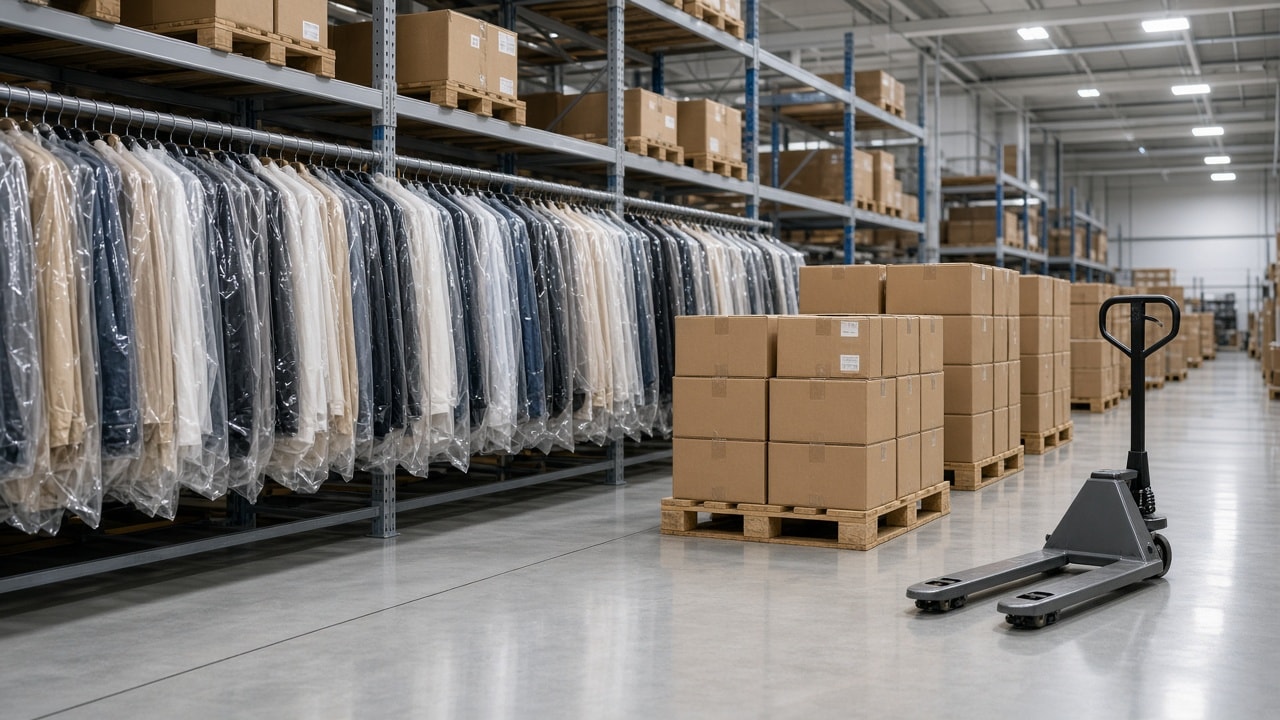
The third is the receiving end. Retailer and distribution-centre requirements around delivery bookings, pallet configuration, labelling and documentation are strict, and a rejected delivery is a wasted vehicle plus a lost slot.
Services most used
- Logistics solutionsOne coordinated plan across customs, transport and delivery instead of separate arrangements.
- TransportationPlanned movement of goods between UAE ports, free zones, warehouses and delivery points.
- Cargo transportationHandling planned around what the cargo is — palletised, containerised, oversized or sensitive.
- Customs consultingAdvice on classification, valuation, permits and documentation before your goods move.
Sector requirements
What this sector needs from logistics
The characteristics that make this different from general freight, and that the plan has to account for.
- Calendar-anchored planning
- Working backwards from the on-shelf date through delivery, clearance, transit and supplier readiness, so the critical path is visible while it can still be changed.
- Product registration and labelling
- Category-specific registration, labelling and conformity requirements identified before the order ships — including Arabic labelling obligations and shelf-life conditions where they apply.
- Mode trade-offs under time pressure
- An honest comparison of sea versus air when a date is at risk, priced on the actual cargo so the decision is made on numbers rather than on hope.
- Retailer delivery compliance
- Booking systems, pallet specifications, labelling and documentation requirements met so deliveries are accepted first time.
- Multi-emirate distribution
- Movement from a central warehouse to stores and distribution points across the emirates on a repeating cycle.
- Returns and reverse movements
- Recalls, unsold stock and reverse flows planned rather than improvised, including the customs position where goods are re-exported.
How we work with it
Where we add value
- Compliance identified before purchase
- Category requirements checked against your actual product specification at order stage, when supplier packaging and labelling can still be corrected.
- Critical path built to the on-shelf date
- A plan anchored to the date that matters commercially, with the decision points and their deadlines stated.
- Deliveries built around receiving rules
- Booking windows, pallet configuration and paperwork confirmed with the receiving site so vehicles are not turned away.
- Recurring distribution routes
- Standing inter-emirate runs planned around your replenishment cycle instead of booked shipment by shipment.
FAQs
Retail & distribution logistics — common questions
Do consumer products need registration before import into the UAE?
Is Arabic labelling required on products sold in the UAE?
Should I use air freight to protect a seasonal launch date?
Can you deliver into UAE retailer distribution centres?
Related pages
Next step
Moving goods for a retail & distribution business?
Tell us the constraint you are working to and we will build the plan around it.
- No obligation, and no account setup required to get a quote
- We say what we handle ourselves and what we would arrange for you
- If a shipment is not viable as described, we will tell you that too